


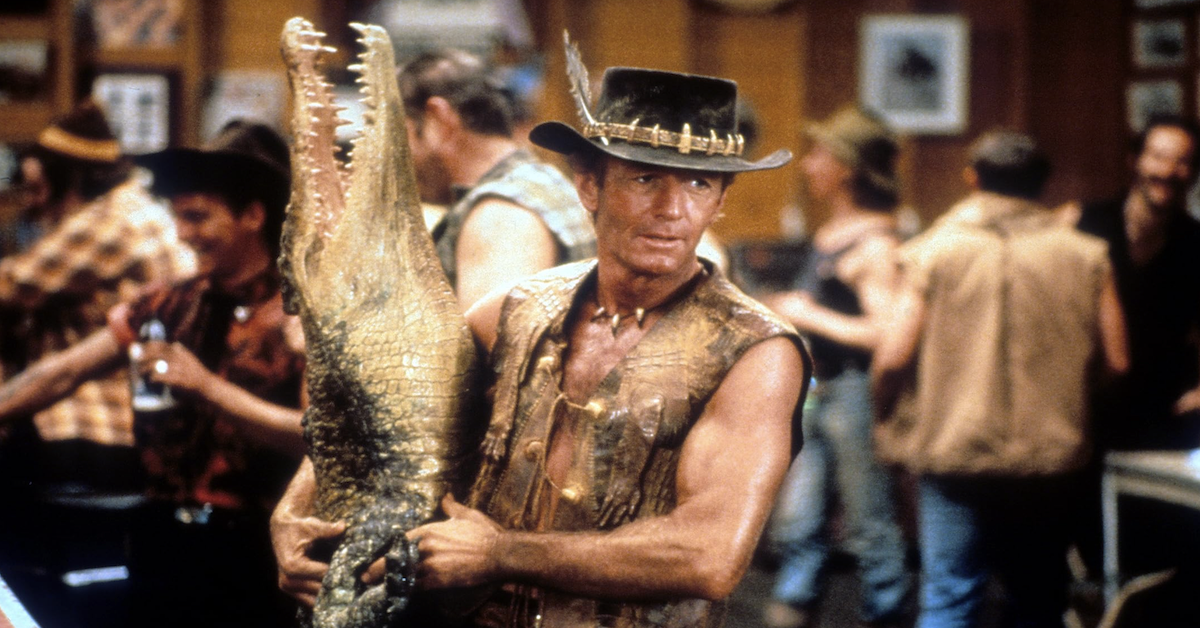
Long before Hollywood, Malibu or even Byron Bay entered the picture, Paul Hogan lived a far quieter life on Sydney’s north — including a formative chapter in Seaforth, at a time when he was a rising television personality rather than an international movie star.
In the 1970s, Seaforth was still largely defined by family homes, bushland surrounds and a strong sense of local community. It was here, in a substantial house on Grandview Grove, that Hogan lived with his then-wife Noelene Edwards, raising a young family while his career gathered momentum. This was the period before Crocodile Dundee turned him into a global name — and before his real estate footprint would eventually stretch from Sydney to the United States.


The Seaforth house itself would later become notable not just for its famous former owner, but for its place in local property history. Sitting on a generous parcel of land typical of the area, the home was described at the time as a large family residence with multiple living areas and outdoor features that reflected the growing affluence of the northern beaches fringe. When the property eventually went to auction decades later, it reportedly set a street record, selling for around $3.17 million — a reminder of how tightly held and highly valued Seaforth homes have long been.

For locals, the idea that one of Australia’s most recognisable figures once lived quietly among them carries a particular charm. Hogan wasn’t yet the larrikin bushman known worldwide; he was a working Sydney television personality, balancing family life with an increasingly busy career. Seaforth represented a step up from his earlier years, signalling professional success while still offering a grounded, suburban lifestyle.
Before Seaforth, Hogan had lived in Mosman, a Lower North Shore suburb long associated with media figures and entertainers. Mosman marked his early progress, but Seaforth symbolised something more — space, privacy and a sense of permanence. The move reflected both his rising profile and a desire for a family-friendly environment away from the inner-city spotlight.
As Hogan’s fame continued to grow through the late 1970s and early 1980s, his Sydney property choices evolved accordingly. From Seaforth, he later moved to Belrose, where he owned a sprawling bushland estate. The Belrose property, significantly larger and more secluded, mirrored his status as one of Australia’s highest-paid entertainers at the time. By then, Hogan had become a household name through television and film, and his real estate followed suit — larger, more private, and increasingly exclusive.
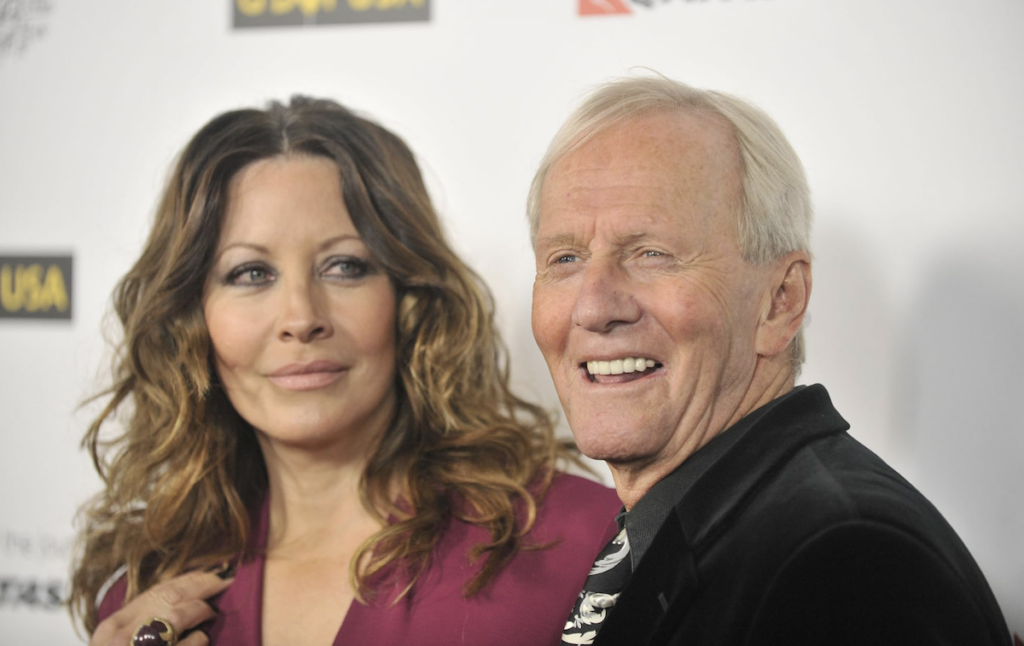
These Sydney homes form a clear narrative arc when viewed together. Mosman represented the beginning, Seaforth the ascent, and Belrose the peak of his Australian-based success. Each move reflected not only changing financial circumstances, but also a shift in lifestyle — from suburban family living to near-rural privacy on Sydney’s fringes.
While much has been written about Hogan’s later properties — including estates in Byron Bay and high-profile homes in California — it is his Sydney years that offer the most relatable story for local readers. Seaforth, in particular, occupies a special place in that history: a suburb that briefly intersected with Australian pop culture before the world came calling.
Recent reporting on Hogan’s return to Australia and the dismantling of his once-extensive property portfolio has reignited interest in where he lived, and when. Many of the properties accumulated over his decades-long career have since been sold, marking the end of a remarkable real estate chapter. Yet long before those headline-grabbing sales, there was Seaforth — quiet, leafy, and largely unchanged in character.
Published 30-Dec-2025